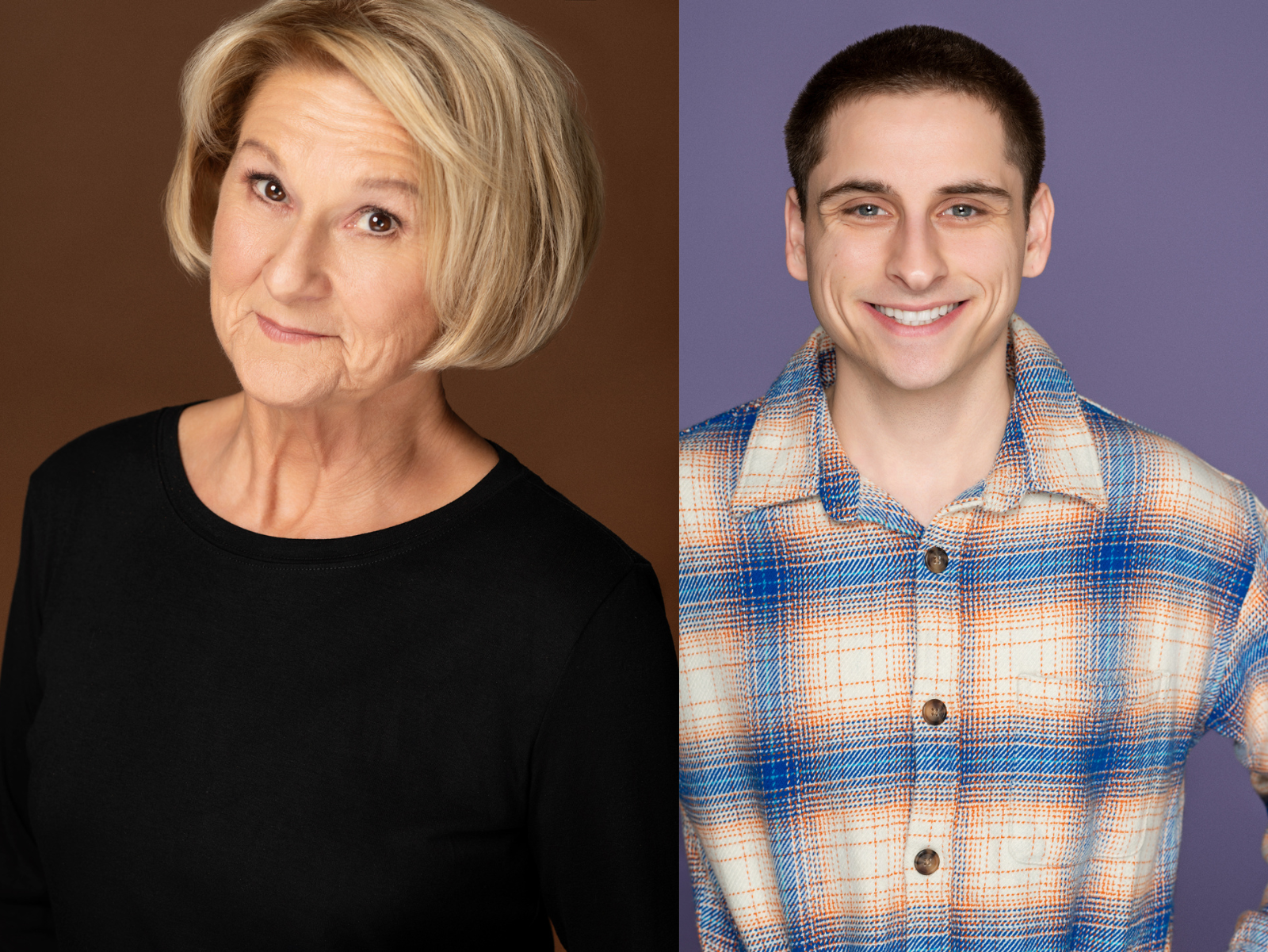
Actors and models sometimes assume that most headshots serve the same purpose, especially when they are new to the industry. It’s easy to see how corporate headshots differ from those designed to work in creative fields, but the differences between headshots for acting and those for models are a bit more nuanced.
While both should accurately demonstrate your looks and allude to your capabilities, the similarities end there. Headshots for acting and headshots for modeling are created for two entirely different industries with very different goals. Acting headshots are meant to help casting directors quickly understand who you are, the roles you naturally fit, and whether you feel authentic on camera. Modeling headshots, on the other hand, are designed to showcase physical features, posing ability, and visual impact for brands and agencies.
About Acting Headshots
Casting directors, agents, and producers depend on acting headshots as a first point of reference when considering performers for a role. In many cases, your headshot will be reviewed long before a resume or demo real. And sometimes, it’s the only thing a casting director will see before they make a decision.
Your acting headshot’s goal is to accurately and clearly demonstrate your appearance and emotional range. Rather than showing how well you can pose, these images are meant to reflect who you naturally are and the kinds of characters you can realistically portray on screen or stage.
Key Characteristics
While not hard requirements, most effective headshots for acting share the following consistent traits:
Natural expression and relaxed posture that feels approachable and genuine
Clean framing, typically chest-up or shoulders-up, keeping the focus on the face
Neutral backgrounds and simple lighting that don’t distract from expression
Minimal retouching to ensure the image looks like you on your best day, not a filtered version of you
These elements work together to create a headshot that feels honest, current, and easy for casting professionals to read at a glance.
About Modeling Headshots
Modeling headshots are created for a different audience and intention than headshots for acting. These images are typically used by modeling agencies, brands, and commercial clients who are focused on visual impact rather than character or emotional range.
The primary purpose of a modeling headshot is to highlight physical features, structure, and overall versatility. These images help agencies and clients assess how a model photographs, how they take direction, and how their look can be adapted across different campaigns or concepts.
Key Characteristics
Unlike acting headshots, modeling headshots are often more expressive through styling and posing. Common characteristics include:
Strong posing and intentional angles that emphasize bone structure and body awareness
Fashion-forward lighting and styling designed to create mood or drama
An editorial or commercial feel, depending on the market
A more stylized presentation that allows for creativity, polish, and visual storytelling
While these images are powerful within the modeling world, their emphasis on style and pose is exactly what can make them less effective (or even confusing!) when submitted for acting roles.
Headshots for Acting vs. Modeling: Key Differences
While both types of headshots are professional portrait photos, they are each intended for a specific audience and they are evaluated completely differently.
Expression vs. Posing
Casting directors look for subtle emotion and genuine connection in acting headshots as an indication of an actor’s capabilities. They want to see what’s happening behind your eyes - approachability, intensity, warmth, or vulnerability - without exaggerated posing.
Modeling headshots, on the other hand, rely on deliberate posing. Facial angles, posture, and physical structure take priority, often with less emphasis on emotional storytelling. Models need a strong awareness of their face and body at all times while in front of a camera.
Lighting and Styling
Acting headshots typically use soft, flattering, and realistic lighting that mimics how you might appear in an audition or on set. Styling is simple and intentional, allowing your natural features to remain the focus.
Meanwhile, modeling headshots often feature dramatic, stylized, or high-contrast lighting paired with fashion-forward wardrobe and grooming. These choices help create visual impact but can feel too bold or distracting in an acting submission.
Retouching and Realism
While all professional portrait photos include some minor retouching, realism is essential for actors. At most, minimal editing can even out temporary distractions like blemishes, so your headshot accurately reflects how you’ll look when you show up to audition.
Modeling headshots allow for a more polished and enhanced finish. Skin smoothing, contrast adjustments, and editorial-level retouching are more common and often expected in fashion and commercial modeling.
Matching Your Headshot to Your Industry
No matter which creative path you’re pursuing, your headshot is crucial to helping you open the right doors. Understanding the difference between acting and modeling headshots helps ensure the images you use are aligned with the expectations of the industry you’re submitting to.
If you’re ready to update your headshots or need guidance on creating images tailored to your direction, we encourage you to reach out and book a conversation.