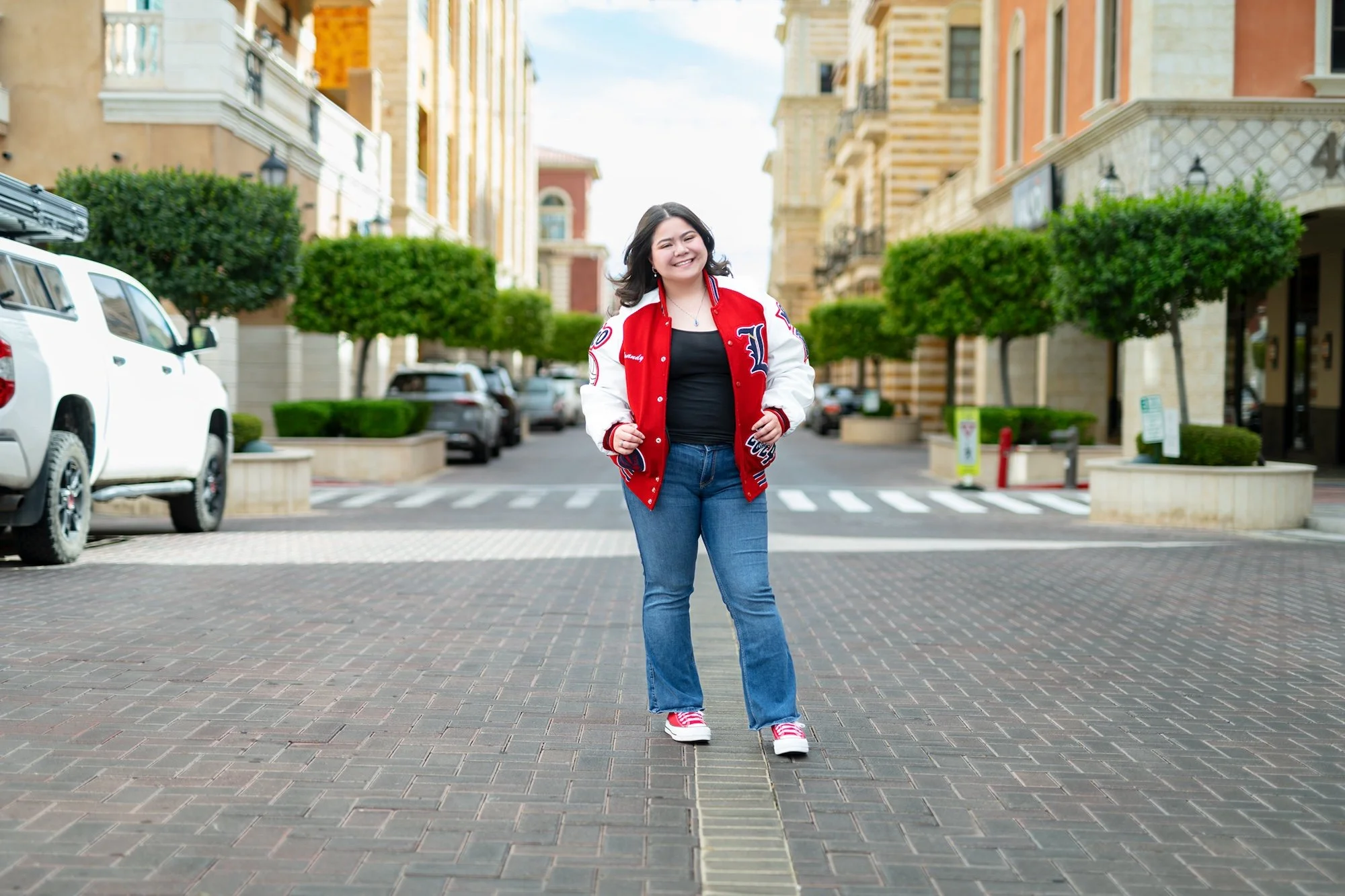
Las Vegas is one of the most visually exciting cities in the world to photograph. Within just a short drive, we have access to the glowing neon lights of the Strip, luxury resorts, and modern architecture to use as stunning backdrops for portrait photography. At the same time, it can be a logistically complex place for professional photoshoots. Many of the most iconic locations here come with rules that aren’t always obvious to visitors. A local professional photographer in Las Vegas, Nevada, though, should have experience jumping through these hoops.
Beyond knowing how to use light, pose clients, and capture authentic moments, a local professional understands how the city operates behind the scenes. Location access, property ownership, and photography permissions are all part of the equation when planning a successful shoot here. Many of our beautiful locations require permits or explicit permission to hold a shoot on their grounds.
With the right preparation, though, your Las Vegas photographer will make the process easy and seamless for you as their client.
Why Do Permits and Permissions Matter So Much?
Las Vegas is a world-famous, tourism-driven city, and nearly every major attraction here is carefully managed. We’re adept at managing crowds, and city officials and private property owners alike have devised systems to ensure that by checking the right boxes, we can deliver phenomenal experiences for our visitors… But that does mean that you’ll need to check the right boxes.
Some clients have a perception that since visitors take photos of the city every day for personal use, a portrait session somewhere like the Strip won’t be an issue. After all, there are 44 million posts under the #LasVegas hashtag on Instagram, and 3.5 million posts with the #LasVegasStrip hashtag alone. From a business standpoint, though, commercial photography is treated much differently than casual vacation pictures. The presence of professional gear, intentional posing, or extended time in one area can quickly draw attention from security.
Ignoring permits or permissions can lead to more than just inconvenience. Photo sessions may be interrupted mid-shoot, security may ask clients and photographers to relocate or stop entirely, and valuable shooting time can be lost.
Public vs. Private Property
One of the most confusing parts of planning a photoshoot in Las Vegas is understanding the difference between public and private property. While the city feels open and walkable, the rules around photography vary widely depending on who owns and manages the space. Knowing this distinction upfront helps set realistic expectations and prevents surprises during a session.
Public spaces generally include city parks, certain sidewalks, and some downtown areas that are managed by the city or county. These locations are often more flexible for photography, especially for non-commercial sessions, though permits may still be required depending on group size, equipment, or intended use. Public spaces are often ideal for relaxed sessions that don’t require heavy gear or extended setup time.
Private property, on the other hand, includes most resorts, hotels, casinos, and shopping promenades. Many of our most iconic local backdrops fall into this category. Property owners set their own photography policies, and professional photography often requires advance permission or a paid permit, regardless of whether the area is open to the public.
A common misconception we hear is, “If it’s outdoors, it must be public.” On the Las Vegas Strip, and in other iconic settings here, this is rarely true. Many sidewalks, courtyards, bridges, and plazas are privately owned, and security teams actively monitor professional photography activity in these areas. This is where a professional photographer plays an important educational role. Before selecting locations, a good professional photographer in Las Vegas will clearly explain which spots are permitted, which require approval, and which should be avoided altogether. They will guide clients toward locations that match their vision while also aligning with local rules, keeping the experience smooth and stress-free.
How a Good Professional Photographer in Las Vegas Plans Ahead to Avoid Issues
Successful, smooth photoshoots don’t happen by accident. They are the result of careful planning and, often, years of experience working with location rules.
The process begins with location research and permit verification. We evaluate each potential spot not only for its visual appeal, but also for ownership, access rules, and photography policies. This step helps determine if anything has changed since the last time we shot at this location, whether we’ll need to obtain permits, and whether a location is realistically suitable for the session a client wants.
When necessary, we (and you could expect most professional photographers to as well) also handle communication with property management or venue coordinators. This may include confirming photography guidelines, submitting permit applications, or coordinating approved areas and time windows. Taking care of these details in advance prevents confusion or interruptions on the day of the shoot.
We also like to discuss backup locations well in advance of a session, as a “just in case.” Sometimes there are factors out of our control that pop up in the moment, and we’ll need to pivot. If a nearby event draws unavoidable crowds, safety concerns arise, or something else unexpected happens, we’ll already have alternative options that align with your vision.
Ultimately, this level of preparation is what separates strong local professionals from out-of-town photographers and beginners just getting started. Experience in Las Vegas means understanding not just how the city looks, but how it works. That knowledge allows a professional photographer in Las Vegas Nevada to anticipate challenges, adapt quickly, and create a seamless, stress-free experience for clients.
Let’s Talk
Permits and permissions are a crucial (yet often overlooked) part of photography in Las Vegas. While the city offers an incredible variety of visually striking locations, many of them come with specific rules that can impact a photo session if they aren’t handled properly.
If you’re shopping for photographers or planning a session, we’d love to talk. Reach out today to discuss locations and your vision.